


Teaching with the News: Free lessons connect your classroom to headlines in the news.
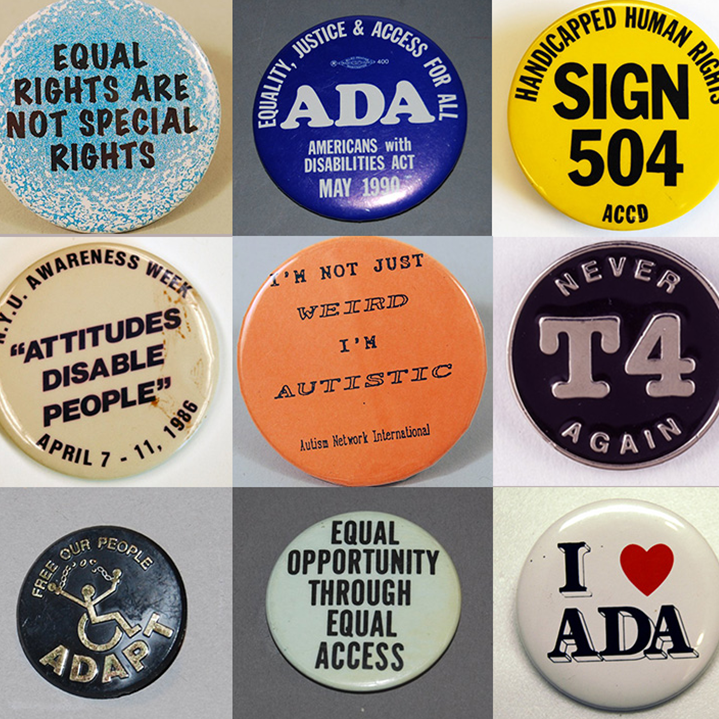
Resource Guide: Disability History and Studies
This Resource Guide provides teachers with educational resources on how to teach disability history, how to incorporate the ideas and methods of disability studies into history and social studies classrooms, and how to teach any subject while keeping questions of accessibility and anti-ableism in mind.
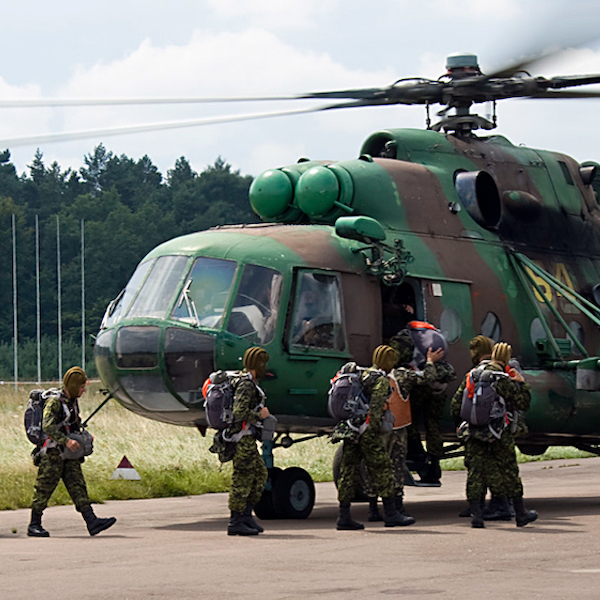
NATO and the War in Ukraine
In this lesson, students review the history and role of the NATO alliance; analyze primary source documents about NATO expansion and the war in Ukraine; explore multiple perspectives on NATO expansion; and consider NATO’s role in current events in Ukraine.
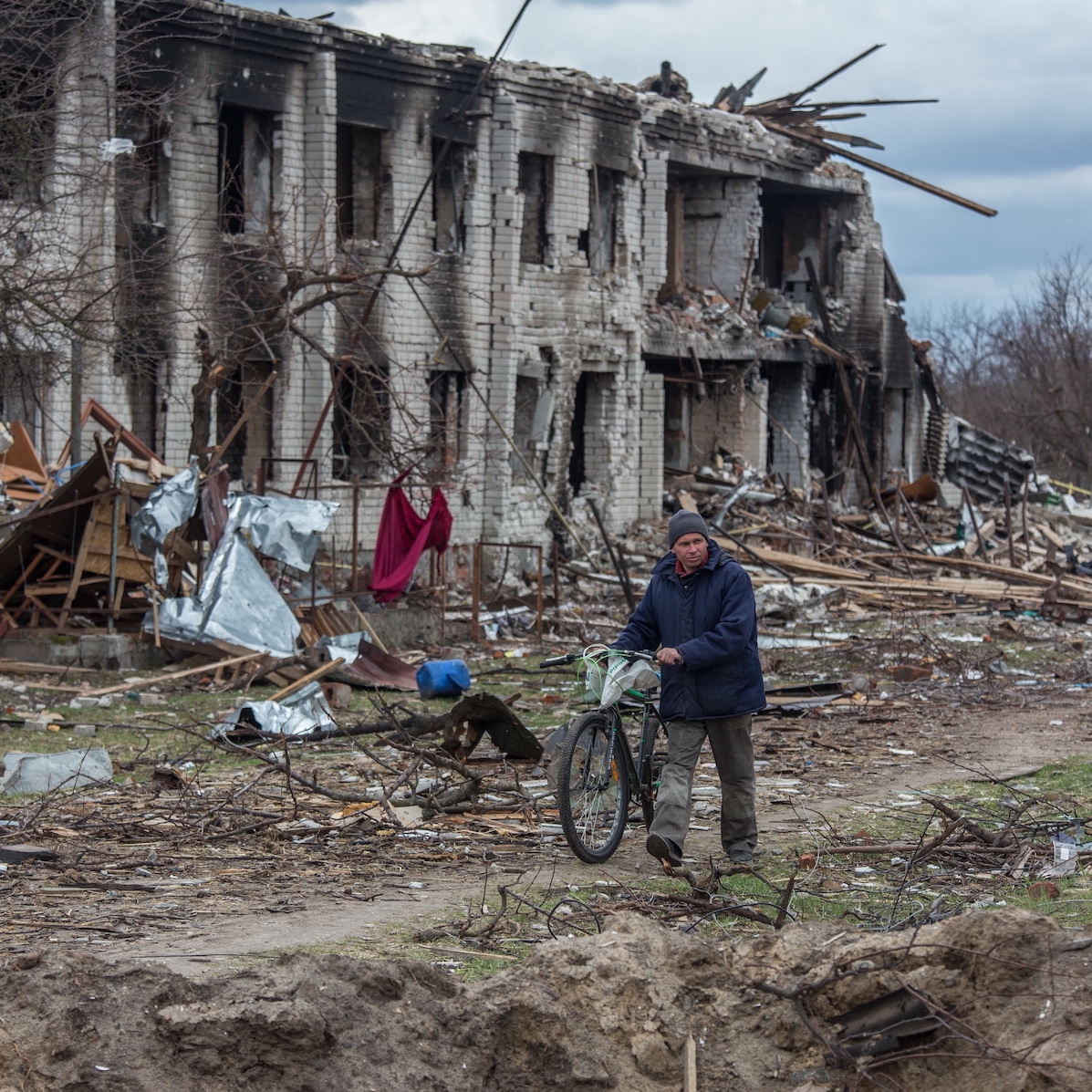
The Genocide Convention and War in Ukraine
In this free lesson, students examine the definition of genocide in the Genocide Convention, consider the issues with differing interpretations of the Genocide Convention, and analyze sources that demonstrate the ongoing debate over whether atrocities in Ukraine constitute genocide.
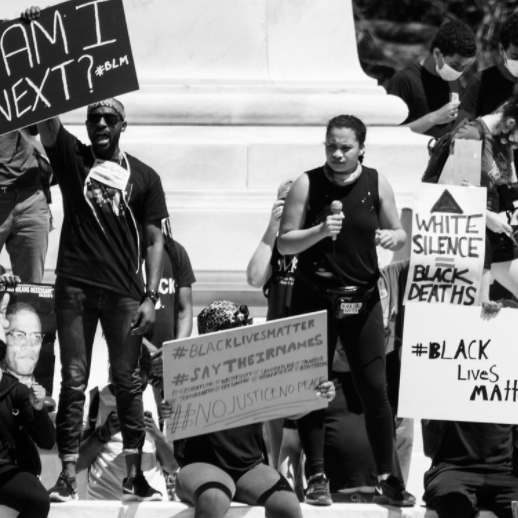
An Interactive Timeline: Black Activism and the Long Fight for Racial Justice
In this lesson, students review a timeline of Black activism, identify patterns and themes, and consider accomplishments of civil rights activists and the enduring obstacles to racial equality.
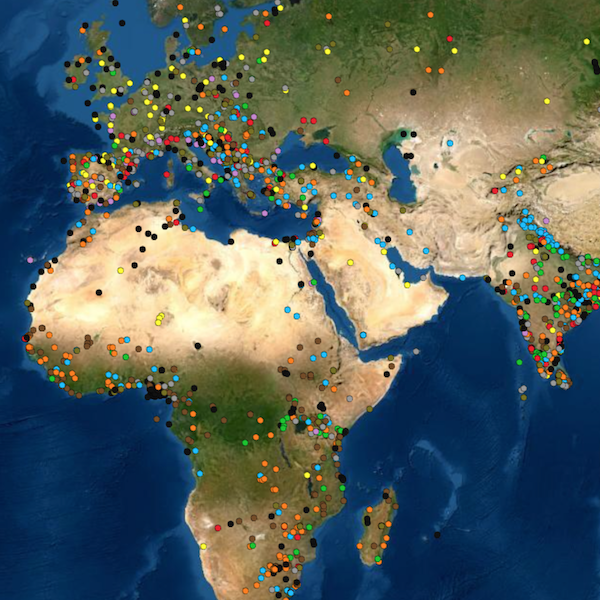
Mapping Environmental Justice
In this lesson, students are introduced to the concepts of environmental justice and climate justice, then explore an interactive digital atlas that documents cases of injustice from around the world.
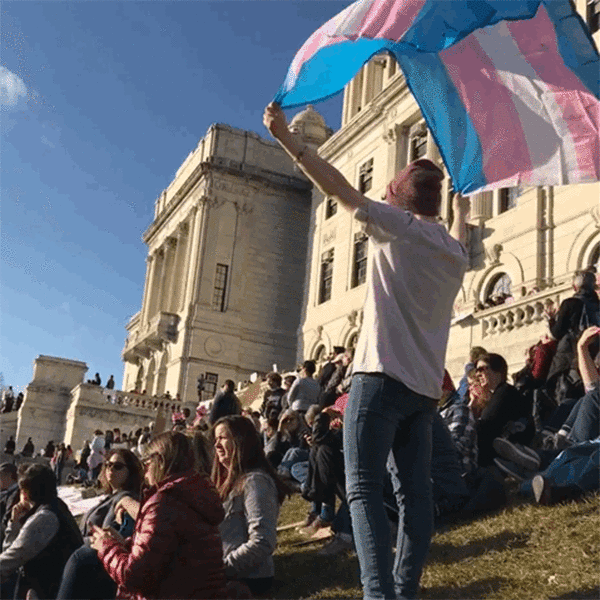
#WontBeErased: Source Analysis
In this lesson, students read a general overview text about transgender identities and rights in the United States, analyze social media posts in support of transgender rights, and reflect on the power of personal storytelling.
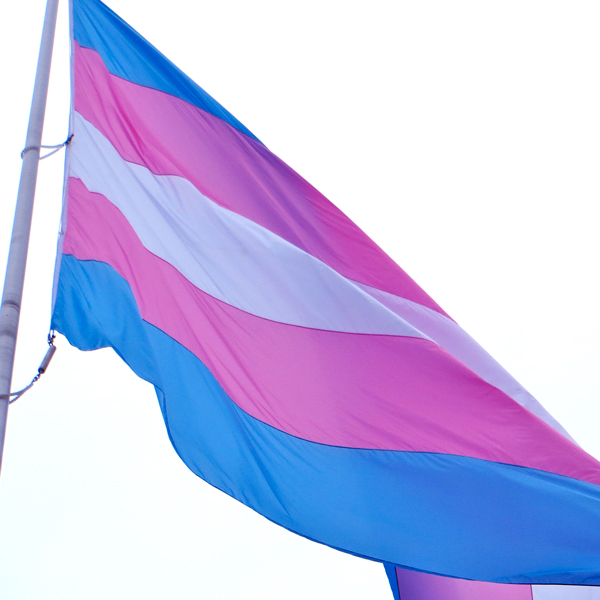
Resource Guide: Transgender Identities and Rights
This guide provides an array of resources that may prove useful to educators looking to learn more about transgender identity, discuss transgender identity in the classroom, serve and support transgender students, and more.
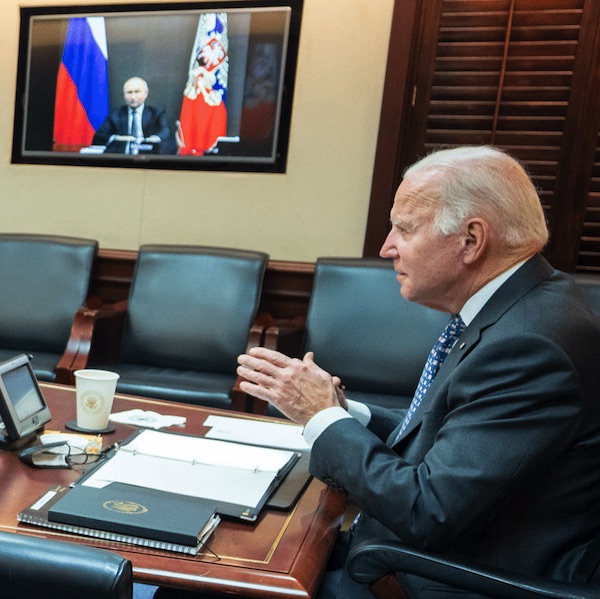
The Ukraine Crisis
In this lesson, students explore the current situation in Ukraine and its historical origins; analyze political cartoons; identify the techniques used by cartoonists to express political opinion; and monitor the crisis and consider international responses.
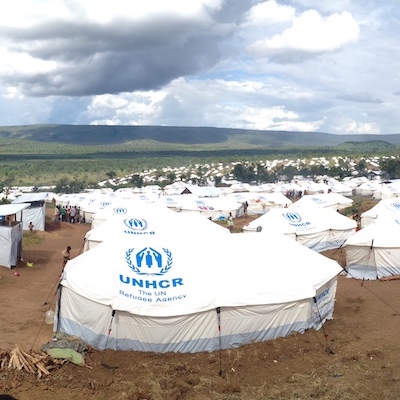
Refugee Stories: Mapping a Crisis
In this updated lesson, students examine maps, data, and broader trends in the global refugee crisis, and then explore the stories and experiences of individuals. Ultimately, students consider the U.S. and international response to the crisis.
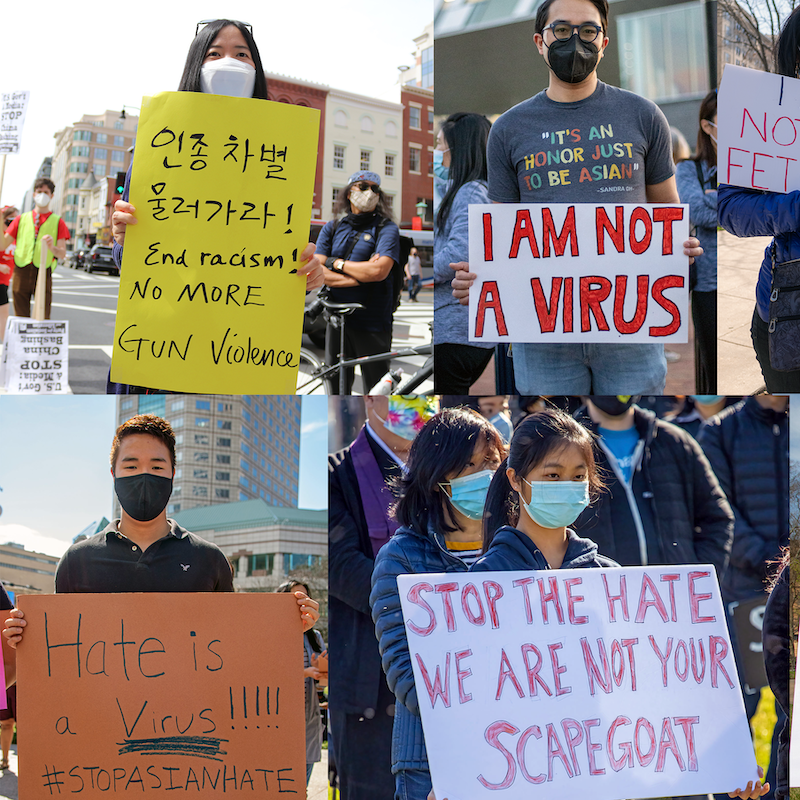
#StopAAPIHate and the Importance of Studying Difficult Histories
In this lesson, students consider why it is important to study “difficult histories” as they examine primary and secondary sources that reveal the long history of anti-AAPI (Asian American and Pacific Islander) racism in the United States.
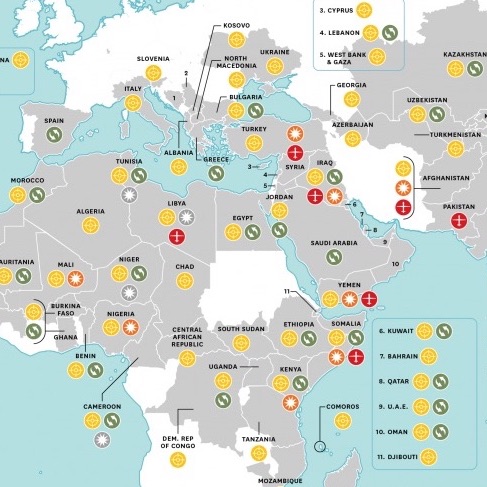
The Costs of War
In this lesson, students examine data from the Costs of War Project to explore the geography and scope as well as the human, economic, social, and political costs of the War on Terror, including the wars in Iraq and Afghanistan. Students also consider how an analysis of the wars’ costs should influence current and future U.S. foreign policy.

Oral History and September 11
In this lesson, students explore the human dimension of the September 11 attacks by conducting an interview and considering the benefits and limitations of using oral history to learn about the past.
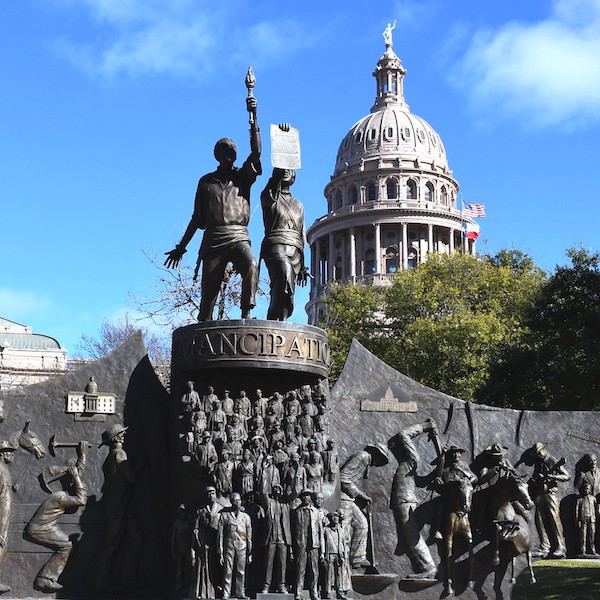
Juneteenth: Symbolism, Ritual, and Meaning
Juneteenth has been designated as a national holiday to commemorate the end of slavery in the United States. In this lesson, students learn about the history of the Juneteenth holiday, analyze text sources that reveal important symbolism and rituals in Juneteenth commemorations, and research local celebrations of Juneteenth.
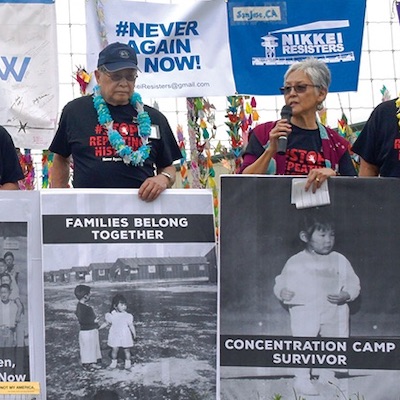
“Never Again is Now”: Incarceration Histories and Solidarity
Students explore how knowledge of history can inspire activism and build solidarity across communities. Students use primary sources to compare and contrast Japanese American incarceration in WWII and contemporary migrant detention.
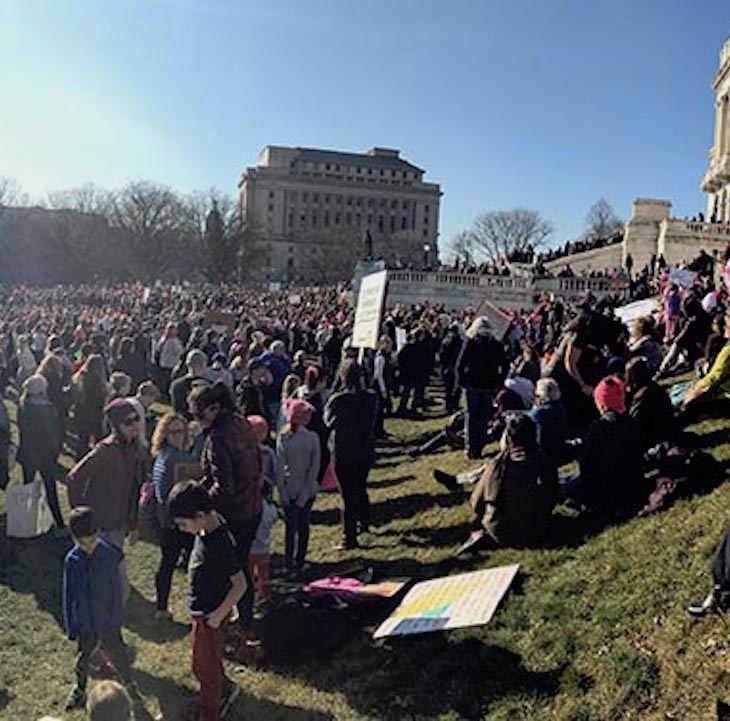
Teaching About Controversial Issues: A Resource Guide
This resource guide provides teachers with resources and pedagogical tools to feel more prepared to address controversial issues in the classroom.
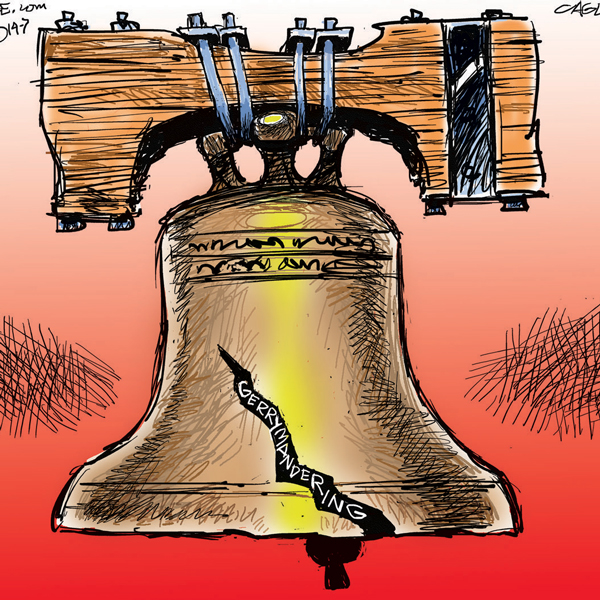
Gerrymandering: One Person, One Vote?
In this lesson students understand the reasons for and process of redistricting after a census.
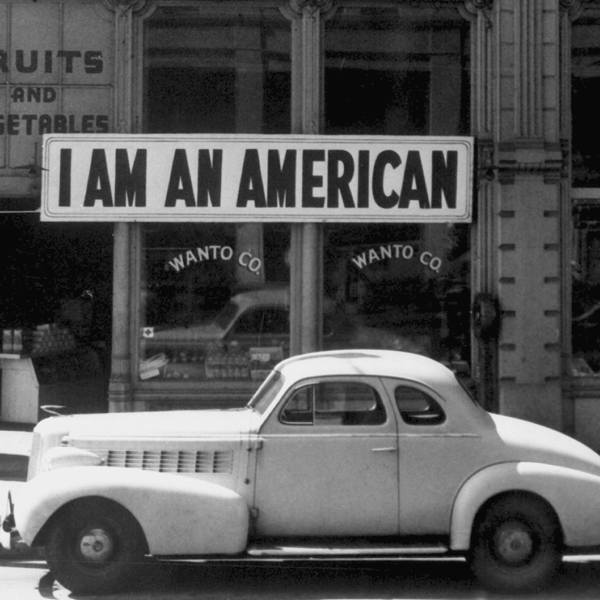
An Interactive Timeline: U.S. Immigration Policy, Past and Present
Students review a timeline of U.S. immigration policy and laws from European colonization to today, collaboratively synthesize their findings, and present them to the class.
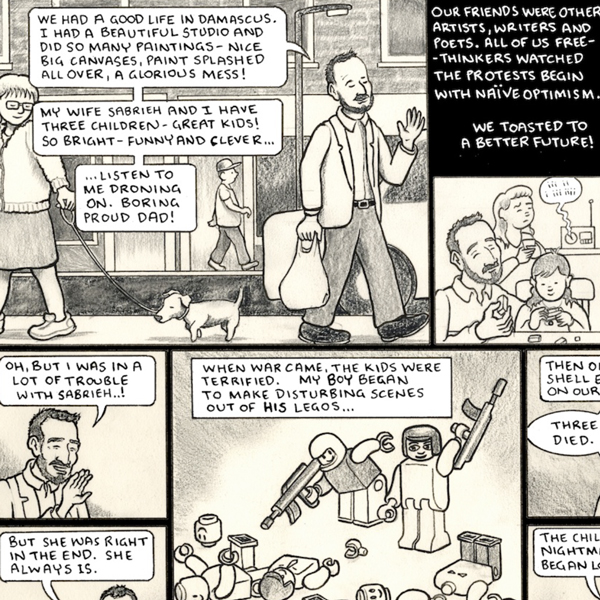
Syrian Refugees: Understanding Stories with Comics
In this lesson, students will read stories of Syrian refugees to learn more about the ongoing civil war and refugee crisis in Syria.
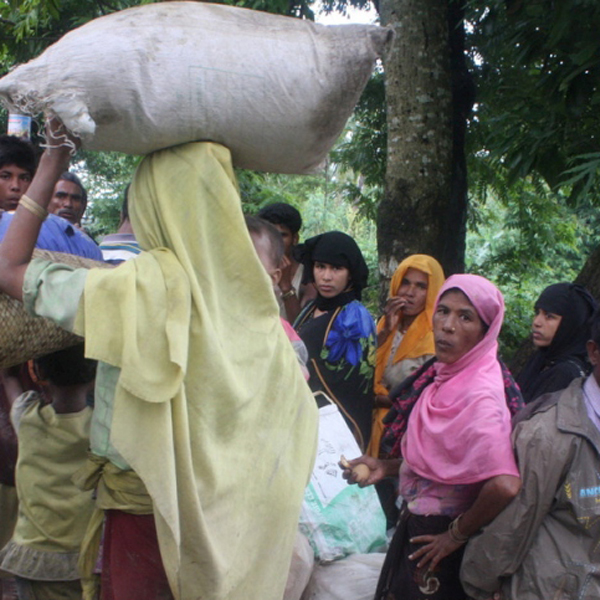
Myanmar and the Rohingya
In this free Teaching with the News lesson, students learn more about the Rohingya people of Myanmar and the current conflict.
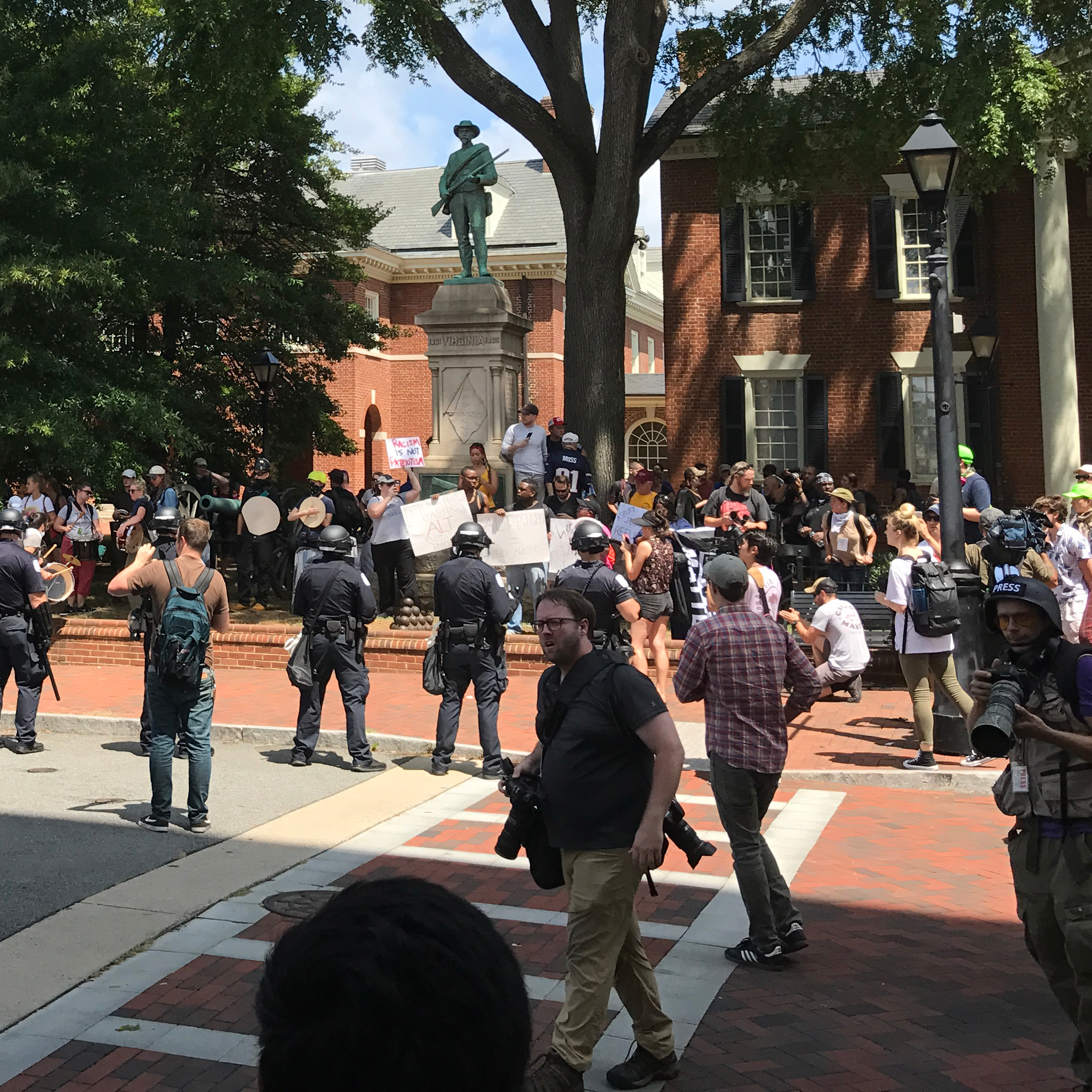
History in Dispute: Charlottesville and Confederate Monuments
In this lesson students will understand the idea of historical memory and contextualize the August 2017 events in Charlottesville within a larger historical controversy.
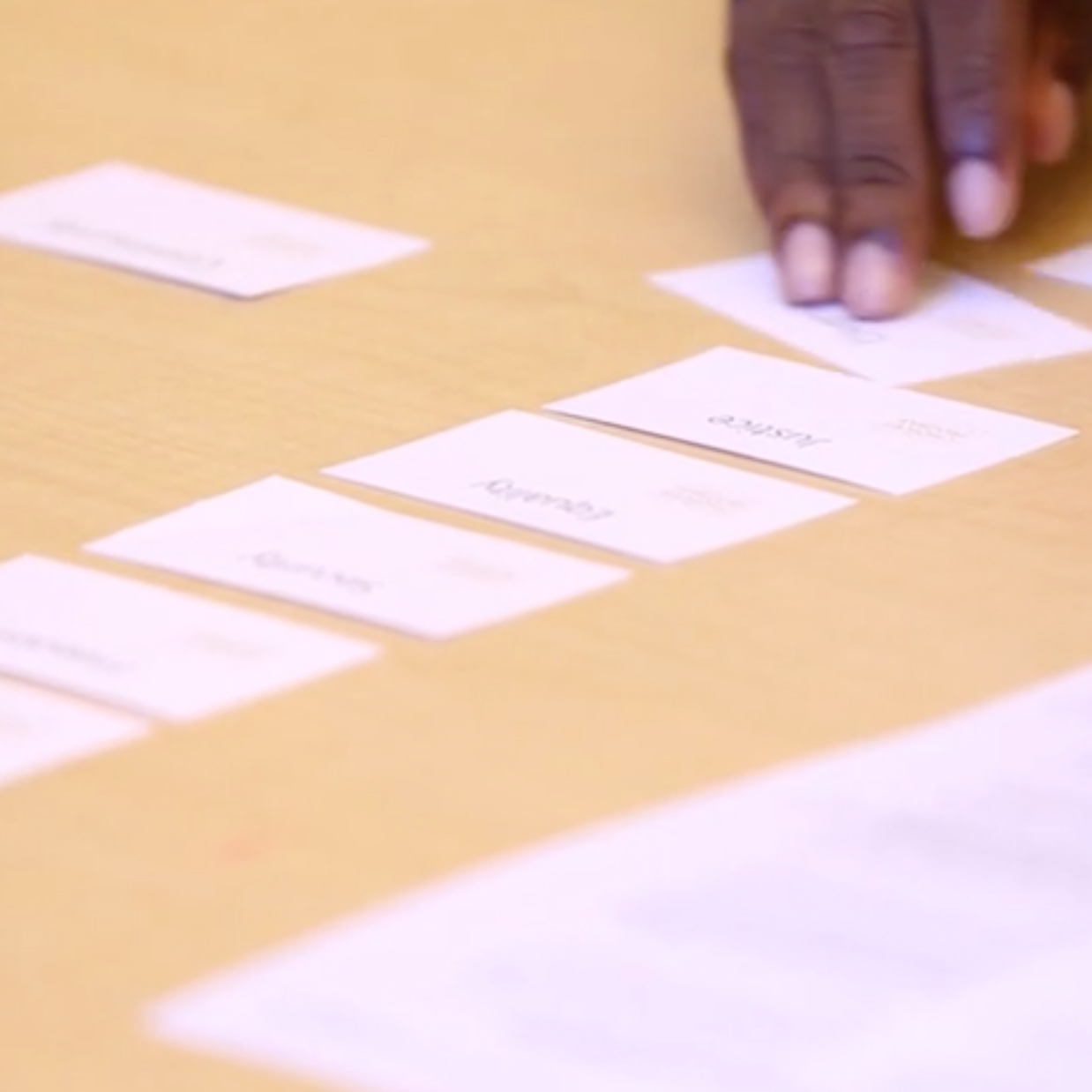
Values and Public Policy
Students identify values as a way to understand the views of others, find common ground where it exists, and work together to find ways to form policy.